
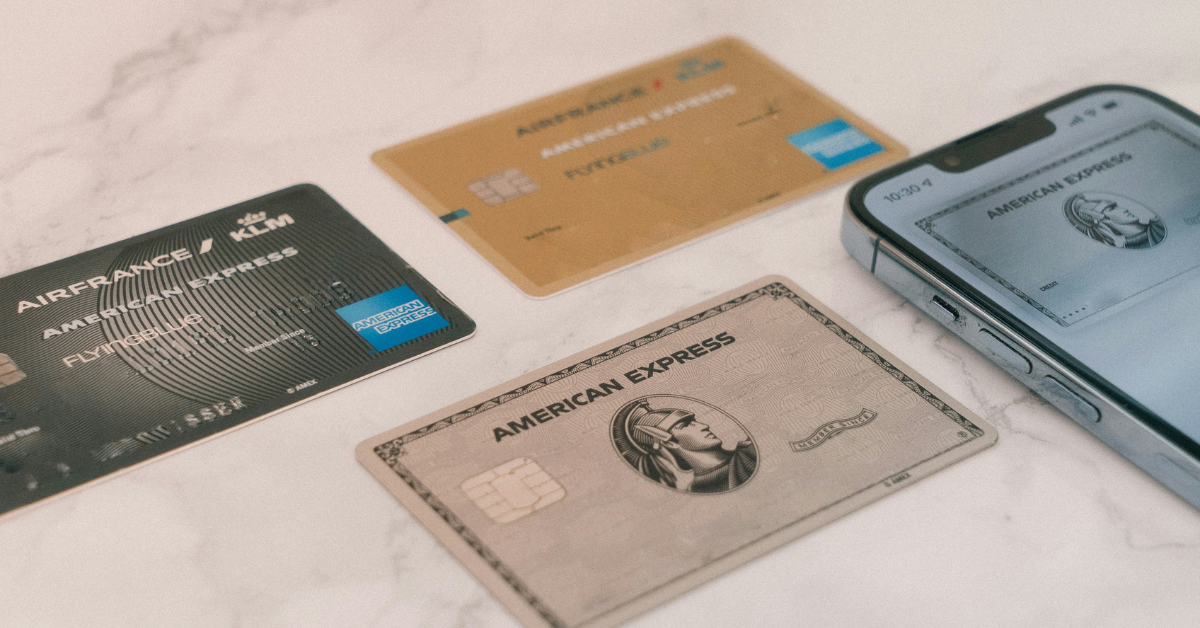
Most people know USAA exists. Fewer know that some of the most premium credit cards in the country — the ones with $550+ annual fees that come with lounge access, travel credits, and concierge services — are available to active duty service members at no cost.
Not discounted. Free.
This post covers the laws that make it possible, which cards are worth getting, and how to use them strategically during a PCS move.
The Laws Behind the Benefits: SCRA and MLA
Two federal laws create most of the credit card benefits available to military members.
The Servicemembers Civil Relief Act (SCRA)
The SCRA was designed to protect active duty service members from certain financial obligations that become difficult to manage during deployment or PCS. For example, credit card interest rates are capped at 6% on pre-service debt during active duty.
SCRA benefits apply to active duty service members across all branches — Army, Navy, Air Force, Marine Corps, Coast Guard, and Space Force — and in most cases to National Guard and Reserve members on qualifying orders.
The Military Lending Act (MLA)
The MLA provides broader protections for active duty members and their dependents, capping the Military Annual Percentage Rate (MAPR) at 36% on covered consumer credit products.
For credit cards, this means some issuers waive annual fees on cards opened while on active duty status because charging the fee could push the effective rate over the MLA cap.
The practical result: several premium cards with high annual fees become free for active duty members. The issuer absorbs the fee rather than risk MLA non-compliance.
The Credit Cards Worth Knowing About
Benefits vary by issuer and can change, so always verify directly with the card issuer before applying.
That said, these are consistently among the strongest military credit card benefits available. We’ll focus on perks you can use during a PCS, but know that there are likely others.
American Express Platinum — annual fee waived
The Amex Platinum carries a $695 annual fee for civilians. For active duty service members, American Express waives the annual fee under MLA.
The card comes with:
- $600 in hotel credits
- $200 Uber Cash
- $120 Uber One credit
- Marriott Bonvoy Gold Elite status
- Hilton Honors Gold status
- $400 Resy credit
- Global Entry or TSA PreCheck credit.
On a PCS move, the hotel credits are pretty useful, especially if you take leave enroute and have to cover the gap in per diem. Marriott and Hilton hotels routinely offer government rates too, so you can use your gold status to get extra perks while staying on budget.
American Express extends the fee waiver to all personal Amex cards for eligible military members, including the Gold Card.
Speaking of…
American Express Gold — annual fee waived
The Amex Gold carries a $250 annual fee for civilians, also waived for active duty under MLA. This card earns 4x points at restaurants and U.S. supermarkets, but also has perks like:
- $120 dining credit
- $120 Uber cash
- $100 Resy credit
- $84 Dunkin credit
- $100 hotel credit at eligible upscale hotels
The dining and Uber Cash credits make it one of the better everyday cards for families. But during a PCS move when you’re living out of hotels and your kitchen is in boxes, you’ll be thankful for the free coffee at Dunkin too.
Chase Sapphire Reserve — annual fee waived
The Chase Sapphire Reserve carries a $550 annual fee for civilians, waived for active duty under SCRA. It comes with:
- $300 annual travel credit
- $250 credit for select hotels (including IHG, which often offers government rates)
- $300 dining credit
- $120 DashPass membership
- $300 DoorDash promos
- $120 Lyft credit
- Complimentary Apple TV
- Hyatt Explorist Status
- IHG Diamond Elite Status
The $300 travel credit alone covers most of the civilian annual fee — for active duty members getting the card free, it’s an exceptionally strong value. The upgraded hotel status is also a great way to turn your PCS road trip into more of an adventure than a drudgery.
Capital One Venture X — annual fee waived
Capital One waives the $395 annual fee on the Venture X for active duty under MLA. Perks include:
- $300 annual travel credit on Capital One Travel bookings
- $100 experience credit at luxury hotels and resorts
- 10,000 anniversary bonus miles
- Priority Pass lounge access, and strong miles earning on travel.
Capital One also waives fees on its other personal cards for eligible military members.
How to Use These Cards During a PCS Move
The credit card interest trap — and how to avoid it
PCS reimbursements take time. If you’re charging move expenses to a credit card and don’t pay off the balance before the billing cycle closes, you’re accruing interest on money you’ll eventually be reimbursed for. This is one of the most common PCS financial mistakes, but also one of the most avoidable.
The fix: if your options are to charge your PCS expenses or dip into savings, your first call should be to finance. You can request an advance on some PCS entitlements so you don’t have to pay out of pocket. But remember this is an advance, so when you file your final voucher, any money you received up front will be taken out of your final reimbursement.
If you must use a card, get one with a 0% intro APR period for large PCS purchases, and pay it off as soon as your voucher pays out.
See our PCS pay delays guide for more on how to avoid reimbursement problems.
Earn Points for PCS expenses
Hotel stays, gas, restaurants, and moving-related purchases all earn points on travel rewards cards. That means a cross-country PCS move involves enough spending that running it through a rewards card earns a meaningful number of points toward future travel.
Use Perks to Stretch Your Per Diem
A lot of these cards have both hotel and dining perks associated with them. Our favorite is anything that has to do with delivery, like Uber One or DoorDash. After a long day on the road and getting everyone out of the car and into the hotel, the last thing you’ll want to do is hunt down food.
Treat yourself to some takeout and get some rest.
How to Activate Military Benefits
Benefits aren’t always automatic. For most issuers, you need to notify them of your active duty status:
- American Express: Submit a request through their military benefits portal or call the number on the back of your card. You’ll need documentation of active duty status.
- Chase: Contact the SCRA benefits line or submit documentation through their online portal. Chase verifies through the SCRA database.
- Capital One: Contact their military benefits team directly. They verify through the MLA database, which may happen automatically when you apply.
For cards you open while already on active duty, MLA protections may apply automatically since issuers are required to check the MLA database before extending credit.
For cards you had before entering service, SCRA protections require notification.
When in doubt, call the issuer directly and ask what’s available for your situation.
Know Your PCS Costs Before You Charge Them
The best way to avoid carrying PCS expenses on a credit card longer than necessary is to know your reimbursable amounts before you leave — so you can budget accordingly.
Our free PCS road trip planner calculates your authorized travel days, per diem, and mileage reimbursement, and generates a receipt checklist so nothing gets missed when you file.
Want help keeping track of everything?
Plug in your move and we’ll calculate your authorized travel days, per diem, and lodging estimates, and give you a PDF with a list of receipts to keep along the way.
Frequently Asked Questions
Yes. American Express waives the annual fee on the Platinum Card and other personal Amex cards for active duty service members under the Military Lending Act. The $695 annual fee is waived and all card benefits remain intact. You need to notify Amex of your active duty status through their military benefits process to activate the waiver.
The Servicemembers Civil Relief Act (SCRA) is a federal law that provides financial protections for active duty service members. For credit cards, it caps interest rates at 6% on pre-service debt during active duty.
Protections apply to all active duty branches including Army, Navy, Air Force, Marine Corps, Coast Guard, and Space Force.
SCRA applies to pre-service debt and caps interest at 6% on those accounts.
MLA applies to new credit opened while on active duty and caps the Military Annual Percentage Rate at 36%.
For credit cards with high annual fees, issuers often waive the fee under MLA because charging it could push the effective rate over the cap. Both laws create fee waivers in practice, but through different mechanisms and for different account types.
Yes. Chase waives the $550 annual fee on the Sapphire Reserve for active duty service members under SCRA. The $300 travel credit, Priority Pass lounge access, and all other card benefits remain intact.
Contact Chase’s SCRA benefits line or submit documentation through their online portal to activate the waiver.
The Amex Platinum and Chase Sapphire Reserve are consistently the strongest options for PCS moves due to their travel credits, dining perks, and strong points earning on travel and dining.
The Amex Gold is excellent for families spending heavily on food during a PCS.
Verify current benefits directly with each issuer before applying as benefits and fee structures can change.
SCRA protections generally apply to Guard and Reserve members when on active duty orders of more than 30 days. MLA protections apply to Guard and Reserve members on active duty for more than 30 days as well.
Eligibility for specific card issuer benefits varies — contact the issuer directly with your orders to confirm what applies to your situation.


